Academic Programs
Quality schooling across different levels with strong curriculum and modern pedagogy.

 Sri Narayani Educational SocietyEducation for Progress
About SNES
Sri Narayani Educational Society is a progressive institution dedicated to quality education, moral values, innovation, discipline, leadership, and social responsibility.
Who we are
Sri Narayani Educational Society is dedicated to building a more equitable, inclusive, and empowered society. We believe that access to quality education, healthcare, livelihood opportunities, and social dignity should not be determined by economic background or social identity.
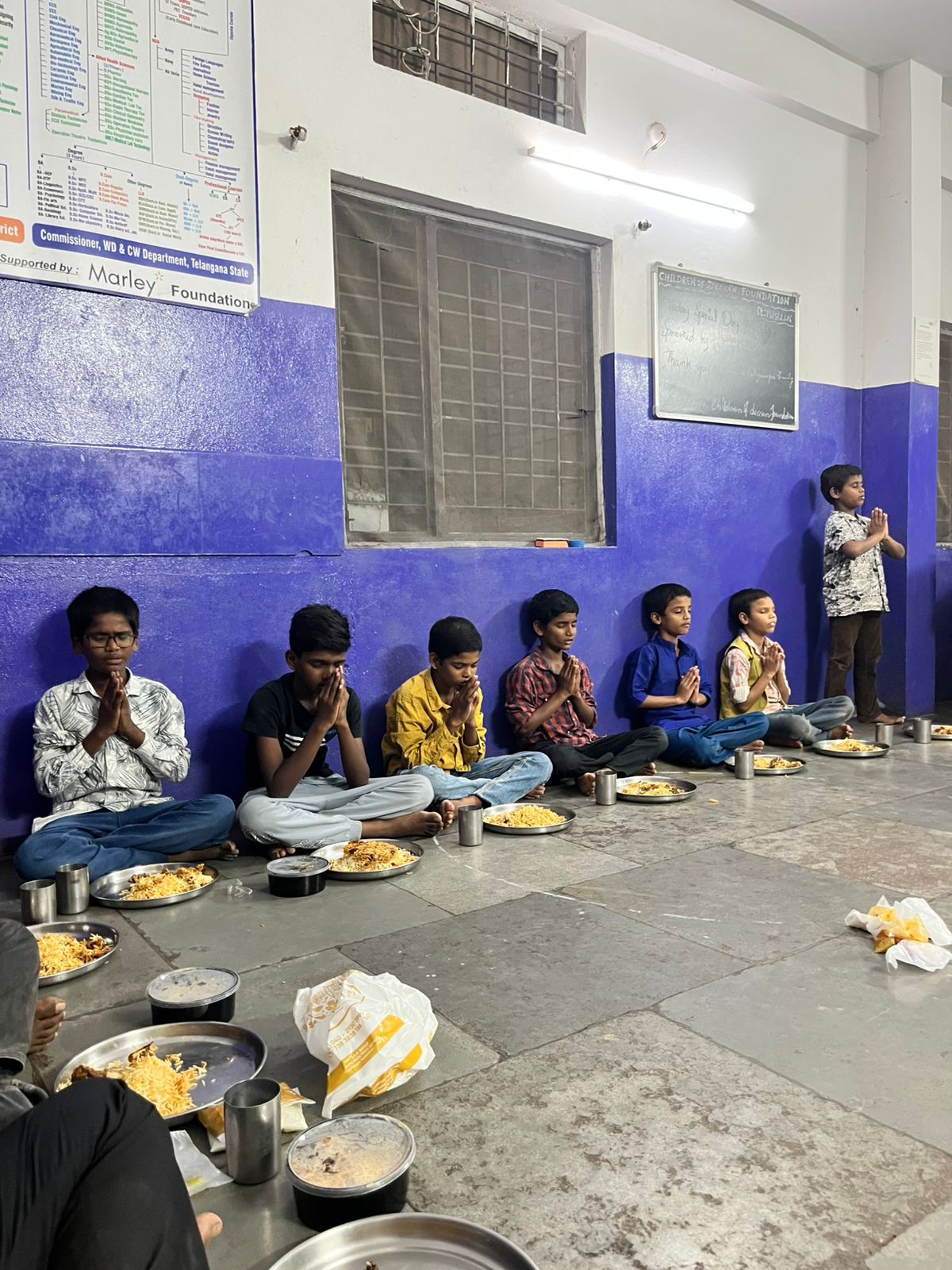
Our work spans multiple impact areas: supporting underprivileged students, empowering transgender individuals, caring for abandoned senior citizens, and rehabilitating homeless persons. We work primarily in Telangana, one of India's rapidly developing regions, where significant social gaps still exist despite economic progress.
Quality schooling across different levels with strong curriculum and modern pedagogy.
Practical, career-oriented courses that bridge education and employability.
Ethics, character-building, discipline, and cultural learning inside the academic framework.
Professional programs that improve teaching standards and classroom innovation.
Scholarships, awareness campaigns, and social initiatives for underprivileged groups.
Promotion of research, digital learning, and future-ready education practices.

Problems and solutions
We provide affordable, inclusive, modern education for underserved communities.
We integrate academics with practical skills so students are career-ready.
We emphasize moral values, discipline, and leadership to nurture well-rounded individuals.
Where we work
Our programs are implemented in Telangana, a state with rapid urban growth and deep rural challenges. Gaps remain in education, healthcare, livelihood access, and social security, especially for Scheduled Castes, Backward Classes, senior citizens, persons with disabilities, and economically weaker sections.
Urban slums and semi-urban areas also face poverty, homelessness, substance abuse, and exclusion. Our work bridges these gaps through structured, community-driven welfare programs.